Wind Energy Studies Department
Wind Farm Study in the Kufra Area
Wind energy is one of the key renewable energy options for the future, offering a clean and renewable source of power. With ongoing technological advancements, wind energy is expected to play an increasingly significant role in the global energy mix, contributing to the achievement of renewable energy goals and reducing carbon emissions. However, the contribution of wind energy to Libya's energy mix remains limited. Therefore, this study aims to harness wind energy sources through the proposed wind power plant project in the Kufra region.
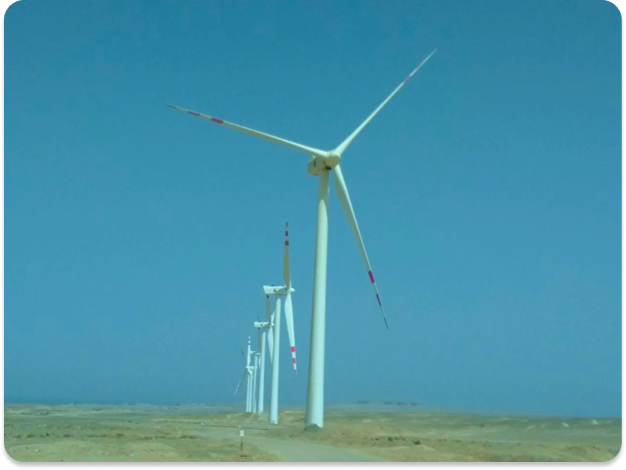
Project Location and Potential:
The project is located in southeastern Libya, near the agricultural circles in the Kufra area, covering an area of 455 hectares. According to data from the Wind Atlas Program, the wind speed in this region is 6.75 meters per second at a height of 100 meters, making it suitable for such projects. Additionally, the geographical terrain of the site is close to the national electricity grid.
Core Project Components
The project consists of five 2.9-SG wind turbines, each with a capacity of 2.9 MW. Calculations indicate that the plant can generate over 50 GWh annually over the expected lifespan of the project (25 years).
Study Objectives
Implement national renewable energy strategies.
Assess the economic and environmental feasibility of wind farms.
Achieve economic returns and provide job opportunities to reduce unemployment.
Keep pace with technological advancements.
Contribute to meeting the increasing electricity demands.
Expected Economic Results
The study targets calculating the economic indicators of the project, such as the cost per kWh produced, annual return rates, and the payback period of capital investment.
Added Value from the Project
In addition to the produced electricity, the project will provide several added values, including:
Fossil Fuel Savings: The project is expected to save over 130,000 tons of fossil fuel annually.
Carbon Emission Reduction: The project will contribute to reducing carbon emissions by over 40,000 tons annually.
In conclusion, The wind power plant project in the Kufra area represents a strategic step toward achieving sustainable development in Libya. By harnessing wind energy, the project will contribute to promoting the use of renewable energy, reducing reliance on fossil fuels, and creating new job opportunities, thereby enhancing the country's economic and environmental sustainability.
Technical Data
| Project Location | Kufra Area | |
| Lifetime | 25 years | |
| Number of Turbines | 5 turbines | |
| Capacity per Turbine | 2.9 MW | |
| Total Annual Output | Over 50 GWh | |
| Total Capacity | 14,500 KW |