Solar Energy Studies Department
Study on Installing a Solar Energy System at the University of Tripoli
This study highlights the importance of solar energy in universities as a primary source of sustainable energy and promotes innovation.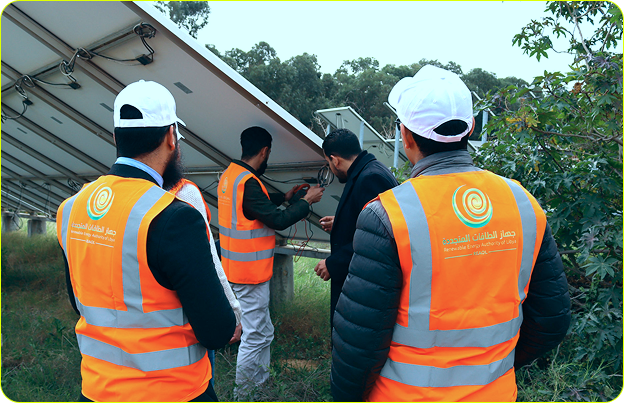
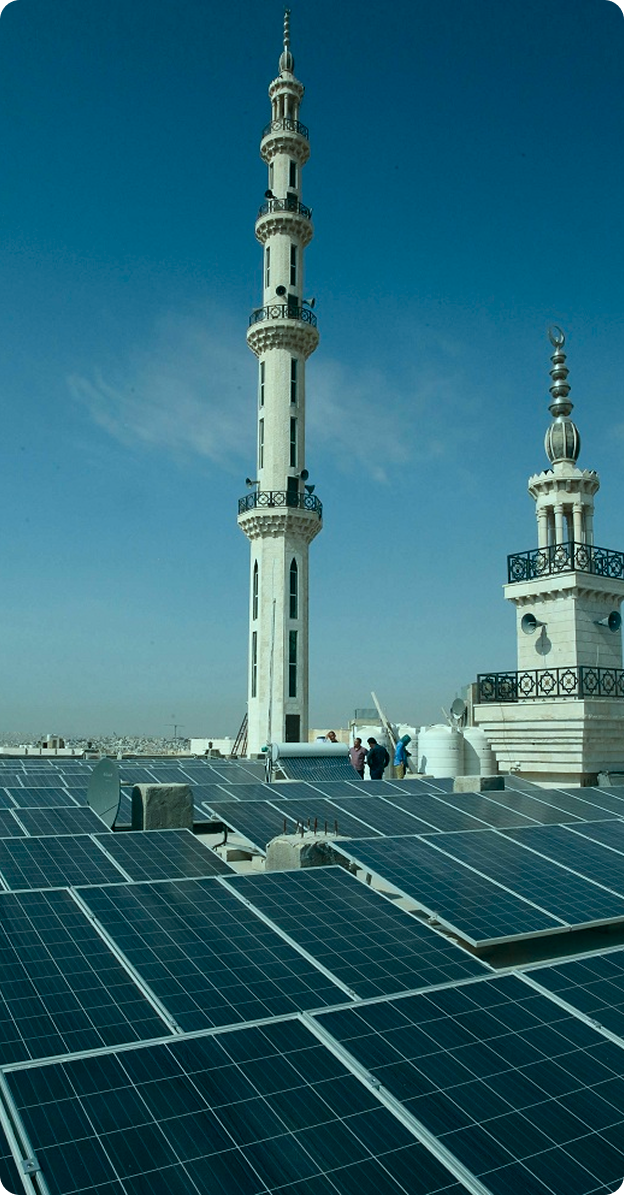
Study on Installing Solar Energy Systems on Mosque Roofs
This study aims to evaluate the economic and technical feasibility of installing solar energy systems to provide clean energy. As part of the Renewable Energy Authority's efforts in Libya, the proposal for installing a grid-connected solar system on the roof of the Abu al-Shater Mosque in the Arada district of Tripoli is one of the pioneering projects aimed at promoting the use of sustainable energy sources. This project emphasizes the importance of solar energy as an effective option for meeting energy needs in the community.
Objectives of the Proposal
The proposal aims to achieve several key objectives:- Provide clean energy by generating electricity from renewable sources, contributing to reducing dependence on fossil fuels
- Reduce costs by lowering electricity bills by generating part of the mosque’s energy needs.
- Sell the surplus energy to the public grid, allowing the mosque to generate additional income from the produced energy.
System Components:
The system consists of several main components, including:- Solar panels to convert sunlight into electricity.
- An inverter to convert direct current (DC) into alternating current (AC).
- A meter to measure the amount of electricity produced and used from the grid.
Advantages of the Proposed Project:
Solar energy systems offer several benefits, including:- Environmentally Friendly: They do not produce harmful emissions, helping protect the environment.
- Cost Savings: Solar panels can cover a significant portion of the energy needs.
- Increase in Property Value: These systems may contribute to increasing property value when sold.
Challenges the Proposed Project May Face:
However, there are a few challenges to consider:- Initial Cost: Installation costs can be high but are offset by savings on electricity bills.
- Space Requirements: The systems need adequate space for panel installation.
Successful Experiences in Arab Countries
Many Arab countries have successfully installed solar systems on mosque rooftops, including Egypt, the UAE, and Morocco. These projects aim to promote renewable energy use and reduce carbon emissions.Expected Results of the Proposed Project
The system is expected to produce approximately 36 MWh annually, with the capability to sell around 28 MWh to the public grid. The mosque’s average energy consumption is around 27.2 MWh annually. In conclusion, the installation of the solar energy system on the roof of the Abu al Shater Mosque represents an exemplary model for the effective use of technology to generate clean energy. This system contributes to environmental sustainability and provides energy in an economically viable way, reinforcing the national efforts of the Renewable Energy Authority in Libya. This project is not just a step toward reducing energy costs, but also a significant contribution to environmental protection and the promotion of renewable energy sources in the community. We look forward to seeing more similar projects in the future!