Energy
Efficiency
Department
Minimum Energy Performance Standard (MEPS) Study
Technical report for the design of a 2500 KW solar power plant in the Tibesti field.
This study aims to define the energy efficiency requirements for electrical appliances and enhance energy consumption efficiency.
The Minimum Energy Performance Standard (MEPS) is one of the key regulatory policies designed to improve the energy efficiency of electrical devices. These standards specify the requirements to ensure that inefficient appliances are not imported or sold, thereby helping to reduce energy consumption and the use of non-efficient devices. This report reviews the status of MEPS in Libya, the importance of energy labeling, electricity consumption, and the challenges in implementing these standards.
Importance of the MEPS Standard
The Minimum Energy Performance Standard (MEPS) is a set of regulatory requirements that define the minimum energy efficiency level for electrical appliances. These standards help to:
Reduce Energy Consumption: By eliminating inefficient devices from the market.
Encourage Innovation: By pushing manufacturers to develop more efficient products.
Protect Consumers: By ensuring high-efficiency options are available in the market.
Energy Labeling Systems
Energy labeling systems are designed to inform consumers about the energy efficiency of appliances. These labels help:
Provide Clear Information: About the energy consumption of devices.
Enable Consumers: To make informed decisions based on energy efficiency.
Current Situation in Libya
The Renewable Energy Authority of Libya was established in 2007 to promote renewable energy projects and energy efficiency practices. However, no MEPS standards have been adopted so far. In December 2023, Libya adopted a National Renewable Energy and Energy Efficiency Strategy for the period 2023-2035. This strategy aims to:
Increase the share of renewable energy to 4,000 MW (20%) by 2035.
Achieve a 15% reduction in energy consumption by 2027.
Electricity Consumption in Libya
According to statistics from the General Electricity Company of Libya (GECOL), the residential sector accounted for 51% of total electricity consumption in the country in 2021. This suggests significant potential for reducing consumption through the use of high-efficiency appliances. Although there are no updated data on appliance consumption, a 2010 study revealed that air conditioning units accounted for 18.35% of total energy consumption. The data also shows a peak in consumption between May and September when air conditioning use is high.
Current Status of MEPS Standards
Currently, there are no MEPS programs for appliances in Libya. However, the national energy strategy suggests that a 4% improvement in energy efficiency could be achieved by 2027 by:
Reducing energy consumption of household appliances and industrial motors.
Implementing performance requirements for energy efficiency in the market.
Adopting standards for both locally produced and imported devices.
Key Challenges
Libya faces several challenges in implementing MEPS programs, including:
Lack of a legal framework due to the absence of clear legislation supporting energy efficiency.
Low awareness of the role of MEPS and energy efficiency labeling.
Insufficient information about the appliance market and its efficiency
Implementation Plan
1. Establish a Legal Framework for regulating energy efficiency for appliances.
This includes:
Defining MEPS standards for different devices.
Developing a labeling system to provide clear information to consumers.
2. Assign a Regulatory Body to monitor the implementation of standards and ensure compliance.
3. Collect Market Data on both imported and locally produced appliances to determine suitable MEPS standards.
In Conclusion
Adopting Minimum Energy Performance Standards (MEPS) is a vital step toward improving energy efficiency in Libya. By implementing MEPS programs, Libya can reduce energy consumption, improve environmental sustainability, and strengthen the national economy. The country needs strong support from the government and relevant stakeholders to achieve this goal and increase consumer awareness about the importance of energy efficiency.
Technical Specifications for Street Lighting Systems
This section focuses on ensuring the efficiency and quality of solar-powered street lighting systems.
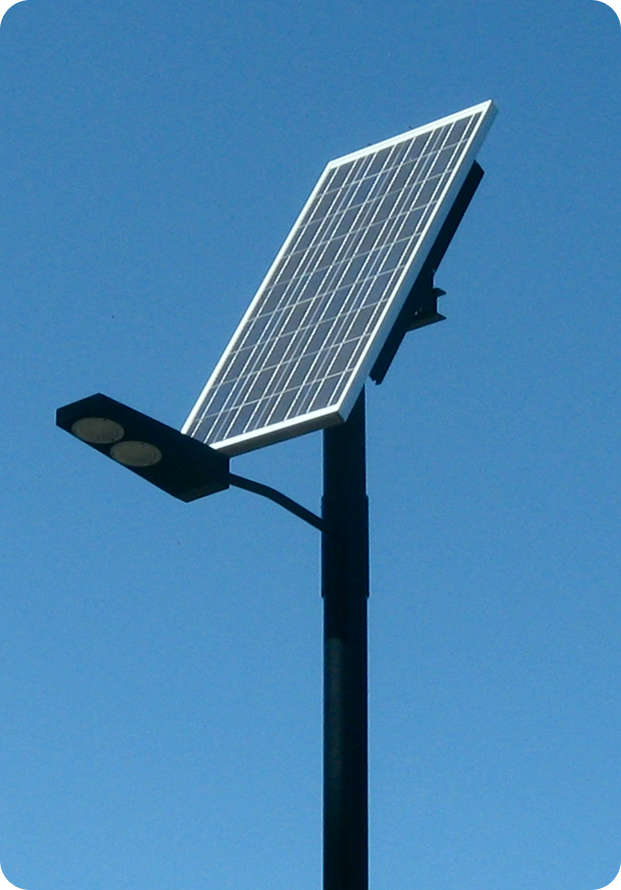
Solar-powered Street lighting systems are advanced, sustainable solutions that contribute to enhancing public lighting and energy savings.
These systems rely on renewable energy, reducing dependence on traditional energy sources. This article reviews the technical specifications of various solar lamps, based on Libyan standard specifications and recommendations from Huawei.